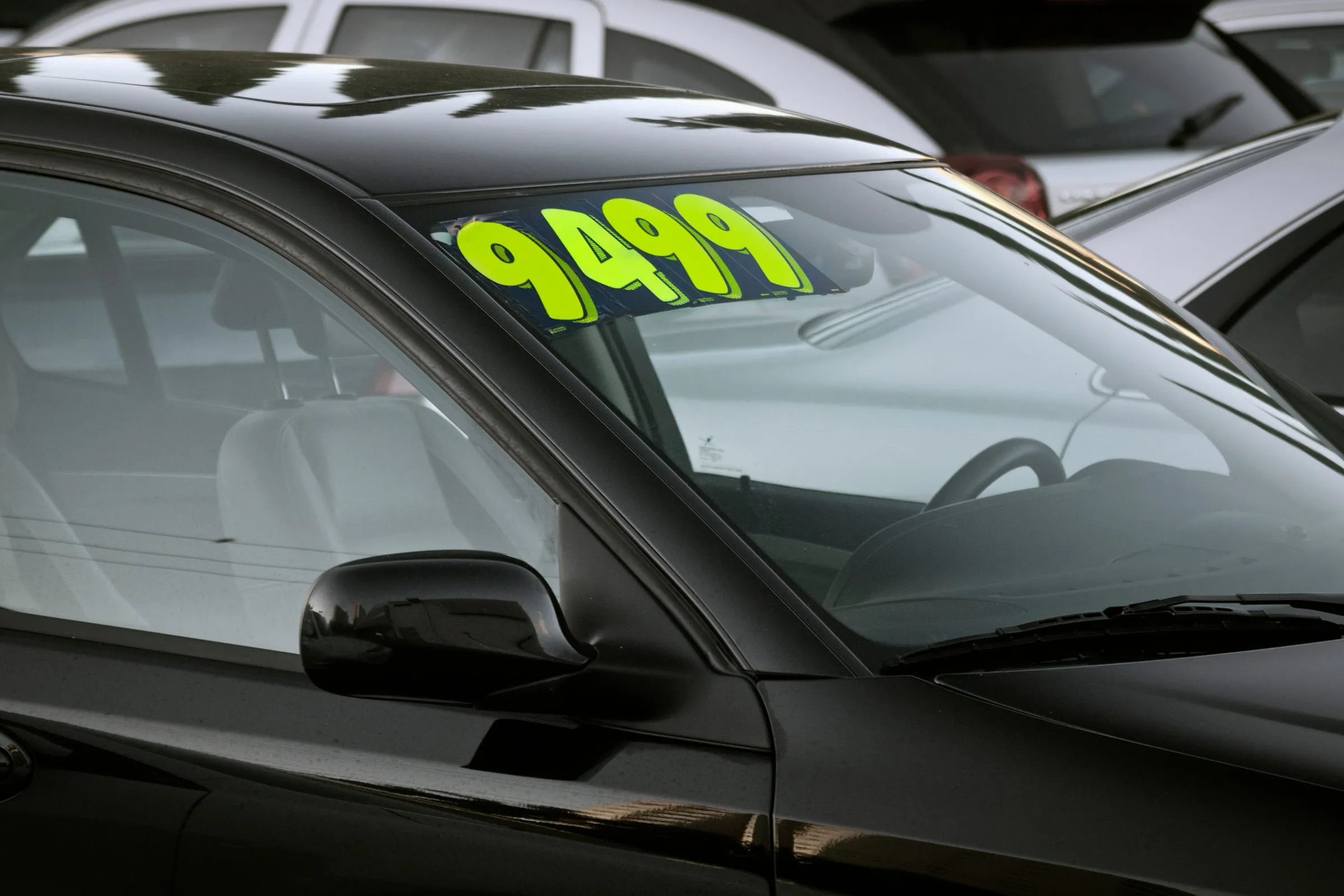
Shoppers compare prices across a dozen tabs before they call anyone. The fastest way to lose their trust is a price that grows on the way to the bill of sale: an admin fee here, a “protection package” there. In most of Canada that isn’t just bad practice. It breaks the law.
Here’s what an advertised vehicle price has to include in the provinces with the clearest rules, what federal law adds, and the habits that keep your listings honest everywhere you advertise.
Ontario
If an Ontario dealer advertises a price, it must be the total the buyer pays, including freight, PDI, administration fees, levies and anything pre-installed on the vehicle. OMVIC says only HST and licensing may be left out, and the ad must say they’re extra (OMVIC). The rule is in section 36 of the dealer regulation (O. Reg. 333/08), and OMVIC applies it to dealer websites, online marketplaces and social media as well as print (OMVIC).
A few more Ontario points dealers miss:
- The OMVIC transaction fee belongs in the price. OMVIC has said that adding mandatory dealer fees or the OMVIC fee on top of an advertised price is non-compliant (OMVIC).
- The vehicle must be available at that price for as long as you advertise it, and a limited supply must say how many are available (O. Reg. 333/08, s. 36).
- Rental, police or taxi history must be disclosed in the ad, not only on the bill of sale.
- The first page a shopper sees must carry the required information. A pop-up or “see dealer for details” doesn’t count (OMVIC).
OMVIC checks. In its 2025 mystery shops, only 64% of first-time shops passed, and all-in price violations and hidden fees were among the most common problems (OMVIC).
Alberta
Alberta’s rule is similar: the advertised price must include everything except GST and the costs of financing, and AMVIC specifically says a market adjustment fee can’t be added on top (AMVIC). Alberta’s advertising rules also require the stock number of a specific advertised vehicle, say whether the picture shows the actual vehicle, and bar advertising a specific vehicle more than 14 days after it’s sold (AMVIC).
Quebec
Under Quebec’s Consumer Protection Act, the advertised price must be all-inclusive, with only QST and GST allowed to be shown separately, and a merchant can’t charge more than the advertised price (LégisQuébec). For vehicles, the Office de la protection du consommateur says administration and inspection fees belong in the price; the duty on new tires can be added on top (OPC).
British Columbia and Manitoba
- B.C.: a new-vehicle ad may state only the total asking price, including accessories, transport and pre-delivery inspection (Motor Dealer Act Regulation). The Vehicle Sales Authority has also told dealers they can’t hide a finance placement fee inside a total price (VSA).
- Manitoba: an advertised price must include all charges, fees and levies; only PST and GST can be left out, and only if the ad says so (Consumer Protection Act). Documentation, admin, tire tax and delivery fees must be included (Manitoba).
Other provinces have their own rules. If you sell in more than one, check each regulator before you set your advertising template.
The federal rule: drip pricing
Since 2022, the Competition Act has stated that advertising a price that can’t actually be paid, because fixed mandatory fees are added later, is a false or misleading representation. Only charges imposed by law, such as sales tax, are excepted (Competition Act, s. 74.01). The Competition Bureau’s guidance is blunt: don’t promote a price consumers can’t pay (Competition Bureau).
The Bureau has shown it will act. Cineplex was ordered to pay a penalty of more than $38.9 million over a mandatory online booking fee (Competition Bureau), and the Federal Court of Appeal dismissed its appeal in January 2026 (Competition Bureau).
Transparent listings, beyond the price
- Use photos of the actual vehicle. If you must use a stock photo, say so.
- Disclose history up front: accidents, previous rental use, out-of-province registration. Shoppers find it on a history report anyway.
- Keep the price the same everywhere. Website, marketplaces, Facebook and the windshield should all match.
- Take sold vehicles down the same day.
- Put the fees in one place, once. Decide your fee structure, build it into every price automatically, and stop relying on each salesperson to remember.
Transparent listings aren’t only about avoiding fines. A shopper who sees an honest price online arrives ready to buy, not ready to argue.
How Carpages helps
Cruise Control schedules price modifiers such as admin fees and discounts on the vehicles you choose, so promotions start and end on time without manual edits. Dashboard Connect flags Facebook Marketplace posts whose price no longer matches, and Carpages websites (DealerSite+, DealerPage+) show your price, photos and details clearly on every vehicle page.
Sources
- OMVIC: All-in price advertising, What dealers and salespeople need to know (May 2026), Advertising guideline, Mystery shop program (February 2026)
- Ontario Regulation 333/08 under the Motor Vehicle Dealers Act, 2002: section 36
- AMVIC: All-in pricing is the law, Rules for advertising (September 2024)
- Office de la protection du consommateur: Advertised price of a used vehicle; Quebec Consumer Protection Act
- British Columbia: Motor Dealer Act Regulation; Vehicle Sales Authority of BC: Industry bulletin (March 2026)
- Manitoba: Consumer Protection Act, Vehicle advertising FAQ
- Competition Act, section 74.01; Competition Bureau: Drip pricing, Cineplex decision (September 2024), Cineplex appeal (January 2026)